House extensions have become an increasingly popular way for homeowners to adapt their homes to changing needs without the cost and disruption of relocating. Whether driven by a growing family, the desire for more functional living space, or the need to improve property value, extending an existing home can be a strategic and rewarding investment.
In Queensland, house extensions require careful consideration of planning controls, construction costs, site conditions, and regulatory compliance. This article provides an in-depth overview of house extensions, drawing on current industry guidance and cost insights, while explaining how architects help homeowners navigate design, approvals, and construction with confidence.
A house extension involves increasing the footprint or usable area of an existing dwelling. This can be achieved horizontally, vertically, or through reconfiguration of internal spaces. Extensions allow homeowners to remain in established neighbourhoods while improving comfort, functionality, and long-term value.
Common motivations for house extensions include:
In Queensland, extensions are particularly common in suburban areas where land sizes allow for thoughtful expansion while maintaining neighbourhood character.
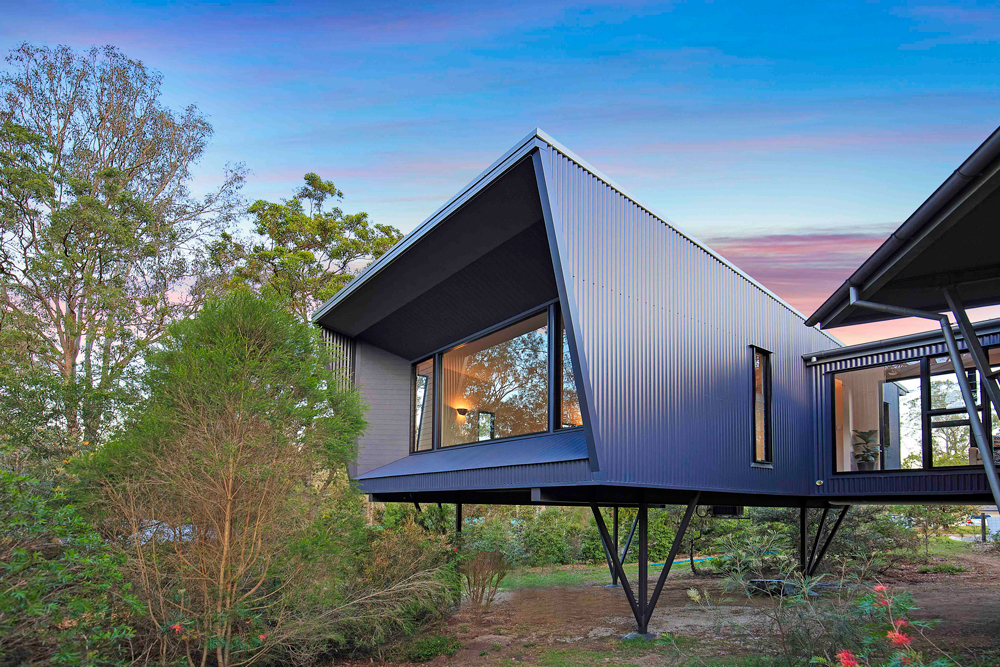
House extensions come in several forms, each suited to different site conditions, budgets, and lifestyle requirements.
Single-storey extensions are often used to expand living areas, kitchens, or master suites and work well on properties with sufficient land.
Second-storey extensions add vertical space and are common in Brisbane and inner-city suburbs where block sizes are limited. These require careful structural assessment and planning approval.
Rear extensions are popular for improving indoor–outdoor flow and creating open-plan living spaces connected to gardens or outdoor areas.
Side extensions are used where setback requirements and lot width permit, often adding functional rooms without altering the home’s street presence.
Each extension type carries different design, cost, and approval considerations under Queensland planning schemes.
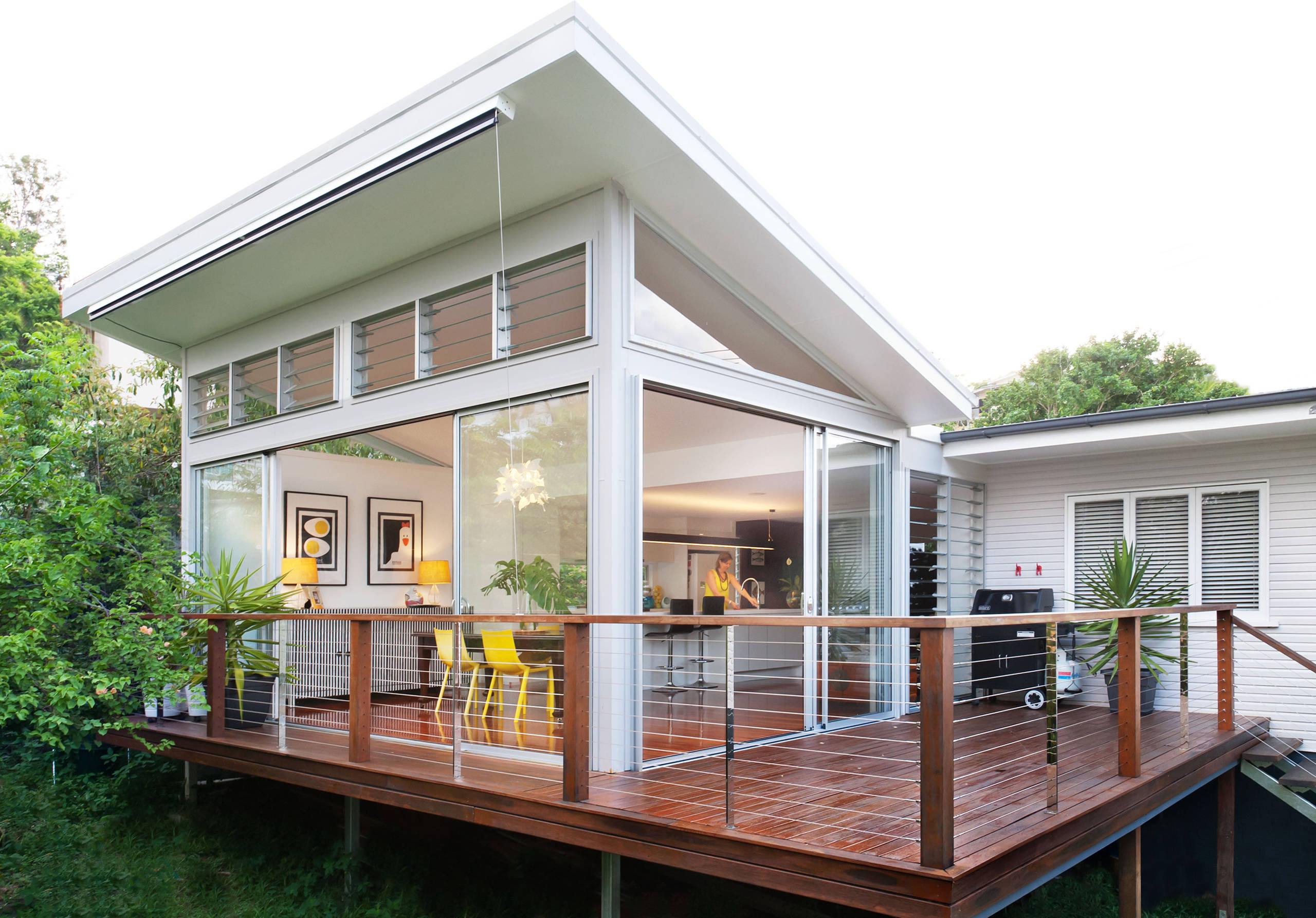
The cost of a house extension in Queensland varies depending on size, complexity, materials, and location. Recent industry guidance highlights that extension costs are influenced by both construction and compliance requirements.
Key cost factors include:
As a broad guide, extension costs in Australia are often calculated per square metre, with higher costs associated with second-storey additions and architect-designed solutions. Queensland-specific considerations such as wind ratings, energy efficiency requirements, and flood overlays can also impact budgets.
An architect plays a critical role in balancing design ambition with cost control through early feasibility assessments and staged design development.
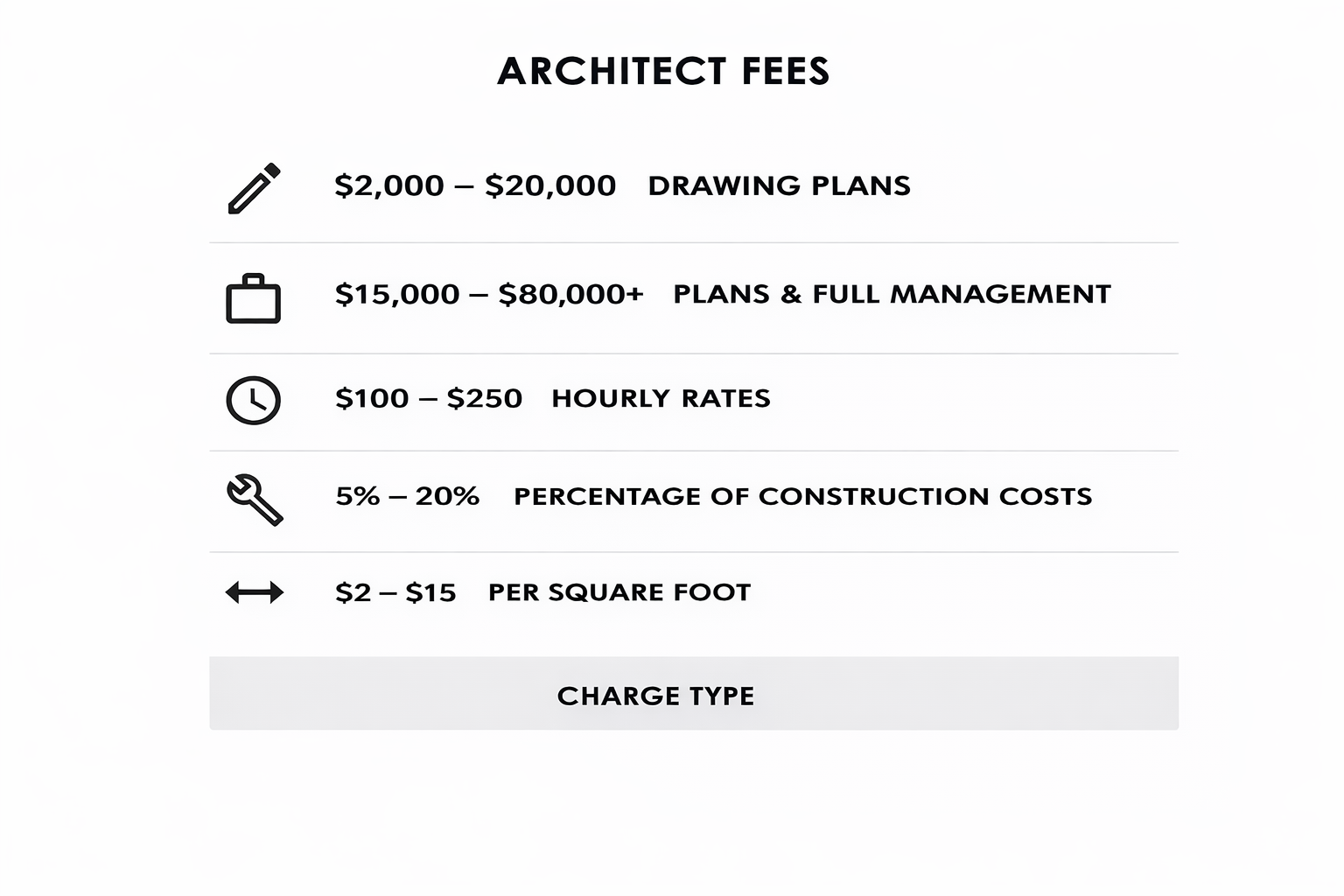
House extensions in Queensland must comply with local council planning schemes and state building regulations. Depending on the scope of work, extensions may require development approval, building approval, or both.
Key regulatory considerations include:
Some minor extensions may qualify for accepted development, while larger or more complex projects require a formal development application. Architects help interpret planning controls and coordinate with town planners and certifiers to reduce approval risk.
Understanding these requirements early avoids delays and costly redesigns later in the process.

Good extension design goes beyond adding space. Architects focus on integrating new areas seamlessly with the existing home while improving overall functionality and performance.
Important design considerations include:
In Queensland’s climate, extensions often prioritise passive design principles such as shading, cross-ventilation, and thermal performance. Thoughtful design ensures the extension feels like a natural evolution of the home rather than an afterthought.
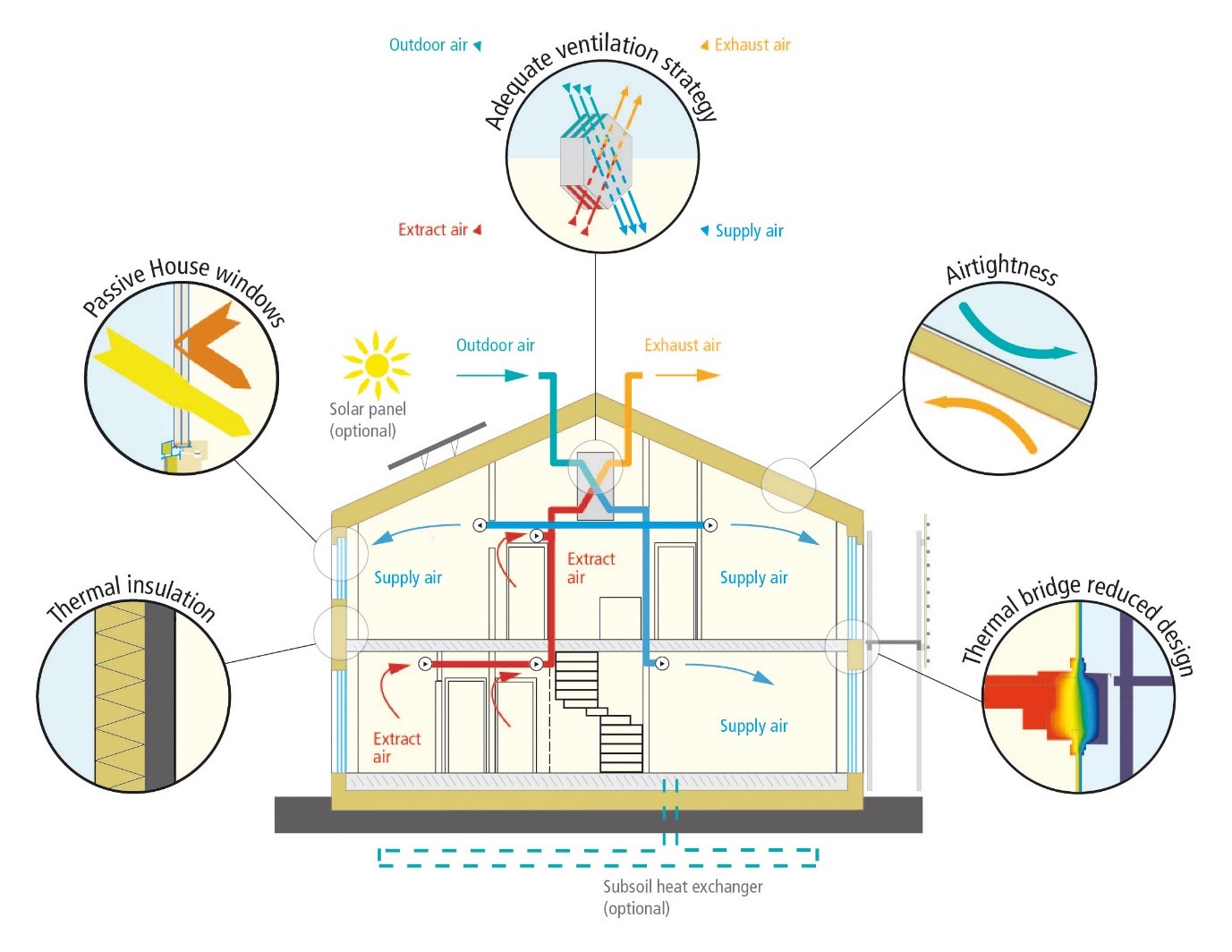
Engaging an architect for a house extension provides professional oversight from concept through construction. Architects are trained to balance design quality, compliance, cost, and buildability.
Architectural services typically include:
For Queensland homeowners, architects also ensure compliance with energy efficiency standards, structural requirements, and local planning policies. Their involvement often results in better spatial outcomes and fewer construction issues.
House extensions can present challenges if not carefully planned. Common issues include underestimated costs, approval delays, and design compromises.
To minimise risk:
In Queensland, site-specific constraints such as flooding or access limitations can significantly influence design and construction methods. Addressing these early leads to smoother project delivery.
House extensions offer a flexible and valuable way to adapt homes to changing needs while maximising existing property value. In Queensland, successful extensions rely on careful planning, realistic budgeting, and a clear understanding of regulatory requirements.
By engaging an architect early, homeowners benefit from informed design advice, planning expertise, and coordinated project delivery. Whether extending for lifestyle improvement or long-term investment, a well-designed house extension can significantly enhance both the functionality and enjoyment of a home.
If you are considering a house extension, seeking professional architectural advice is the first step toward a compliant, cost-effective, and thoughtfully designed outcome.




.jpg)
.jpg)
.jpg)
.jpg)