Meeting with an architect for the first time is a critical step in shaping the success of any residential or commercial project. Whether you are planning a new home, a renovation, or a commercial development, the quality of your first consultation is directly influenced by how well prepared you are. Coming to the meeting with clear information allows the architect to provide accurate advice, realistic options, and a design approach aligned with your goals.
This article outlines the key information you should prepare before meeting an architect, based on industry guidance from Australian architectural bodies and professional practice insights. It also highlights considerations specific to Queensland planning controls, building approvals, and compliance requirements, ensuring your project begins on a solid and informed foundation.
Before engaging an architect, it is essential to clearly articulate what you want to achieve. This does not require technical drawings or detailed specifications, but it does require clarity around purpose and intent.
Consider the following:
Architects rely on this information to translate abstract ideas into a coherent design strategy. Sharing lifestyle needs, operational requirements, and long-term aspirations helps establish a strong design brief from the outset.
Relevant considerations may include spatial flow, functionality, future flexibility, and how the building responds to its environment. In Queensland, early discussions may also touch on climate-responsive design, such as passive cooling, shading, and ventilation strategies suited to subtropical conditions.
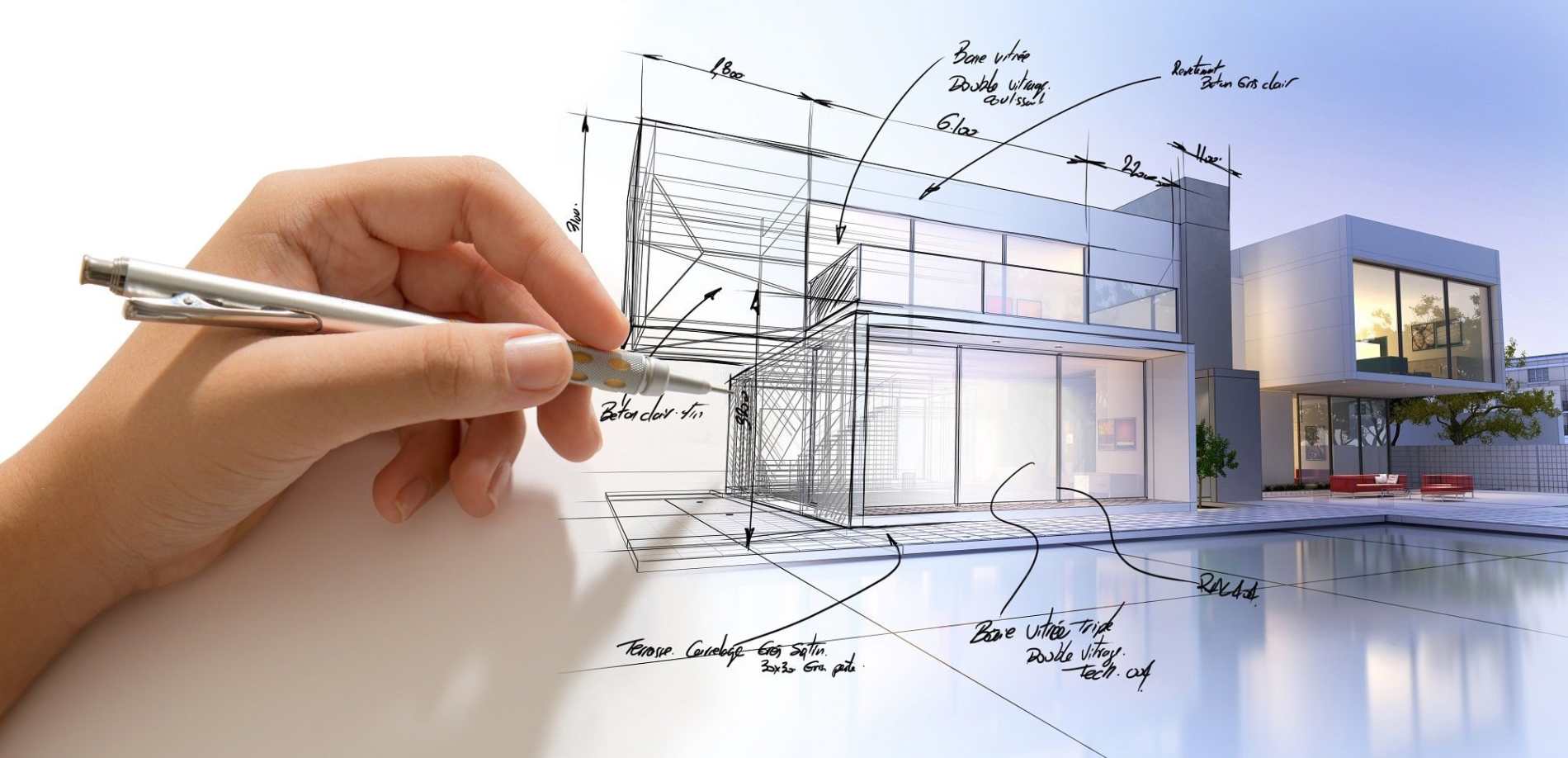
Accurate site information is fundamental to any architectural assessment. Bringing relevant documents to your first meeting allows the architect to quickly identify opportunities and constraints.
Key information includes:
In Queensland, site conditions such as slope, flood overlays, bushfire overlays, and coastal constraints can significantly influence design outcomes. An architect will often review local planning schemes, but providing any available reports or previous approvals can streamline early advice.
Understanding how your site interacts with its surroundings neighbours, street frontage, and natural features helps the architect assess planning compliance and design feasibility.

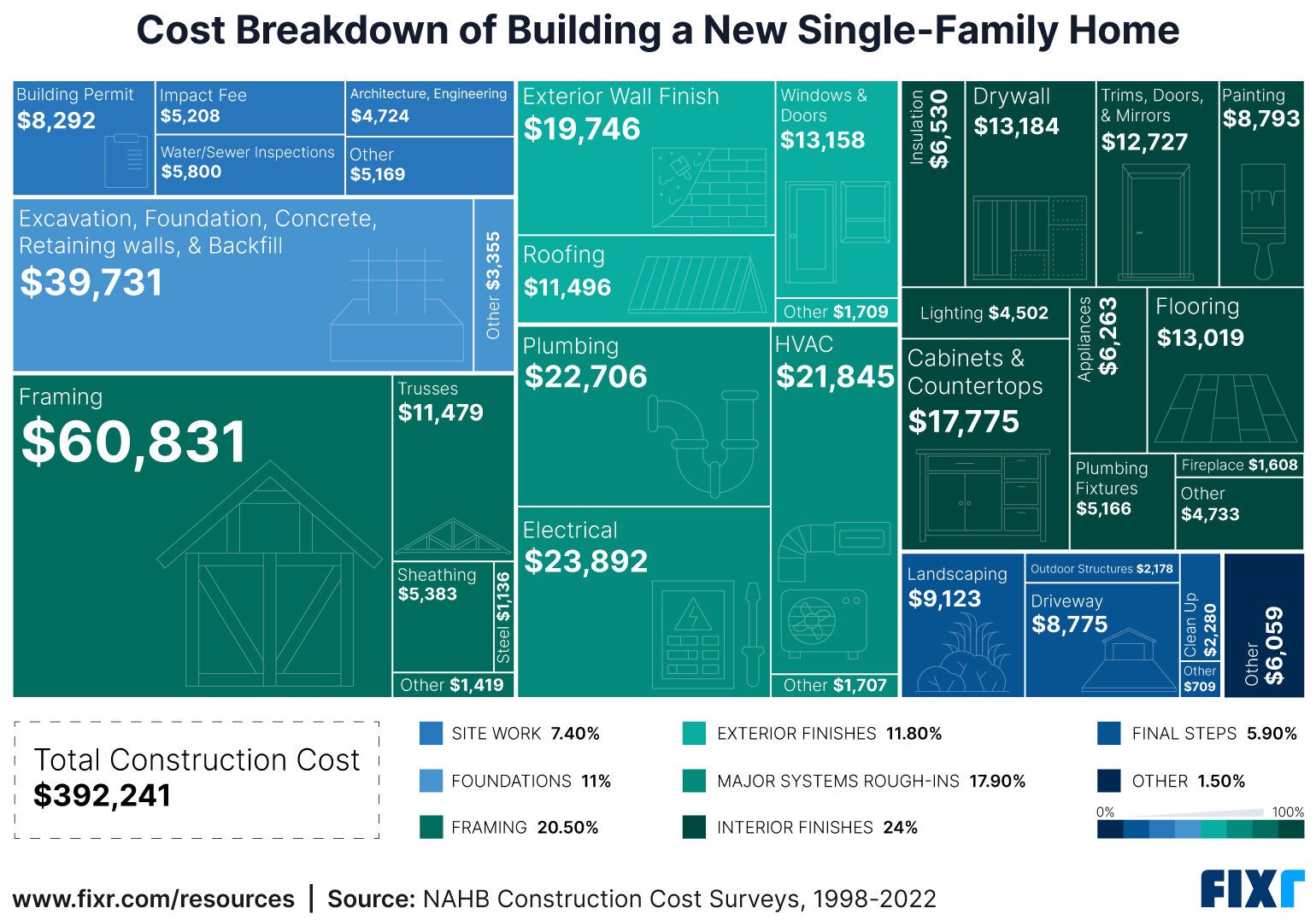
One of the most important topics to address early is your budget. While precise construction costs may evolve, establishing a realistic budget range allows the architect to design appropriately from the beginning.
Information to prepare includes:
Architects do not simply design to a number; they balance cost, quality, and scope. In Queensland, construction costs can vary depending on location, labour availability, material supply, and regulatory requirements.
Being transparent about financial constraints helps avoid redesigns later and ensures the proposed design aligns with achievable outcomes.
Understanding the planning framework is essential before progressing into design. While your architect will guide you through approvals, having baseline awareness improves decision-making early on.
In Queensland, this may involve:
Projects may require development approval (DA), building approval (BA), or both. Architects often coordinate with town planners, building certifiers, and consultants to ensure compliance.
Discussing planning risks early helps determine realistic timelines and avoids design paths that are unlikely to gain approval.
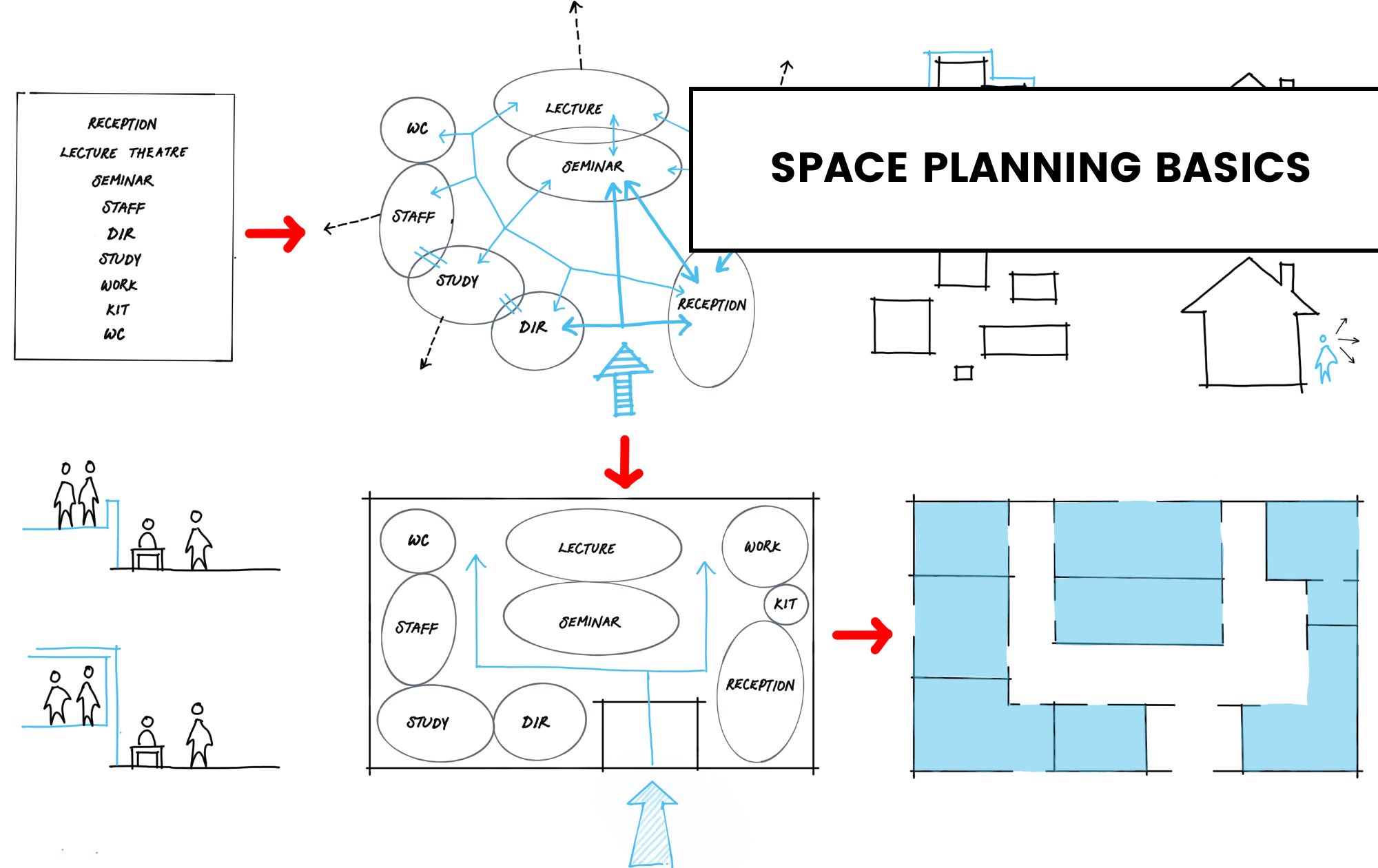
Functional clarity is critical to good architecture. Before your meeting, consider how spaces will be used, who will occupy them, and how they may evolve over time.
Key points to define:
For commercial projects, operational workflows, staffing levels, and customer experience are particularly important. Clear functional requirements allow architects to design spaces that support efficiency, comfort, and long-term adaptability.
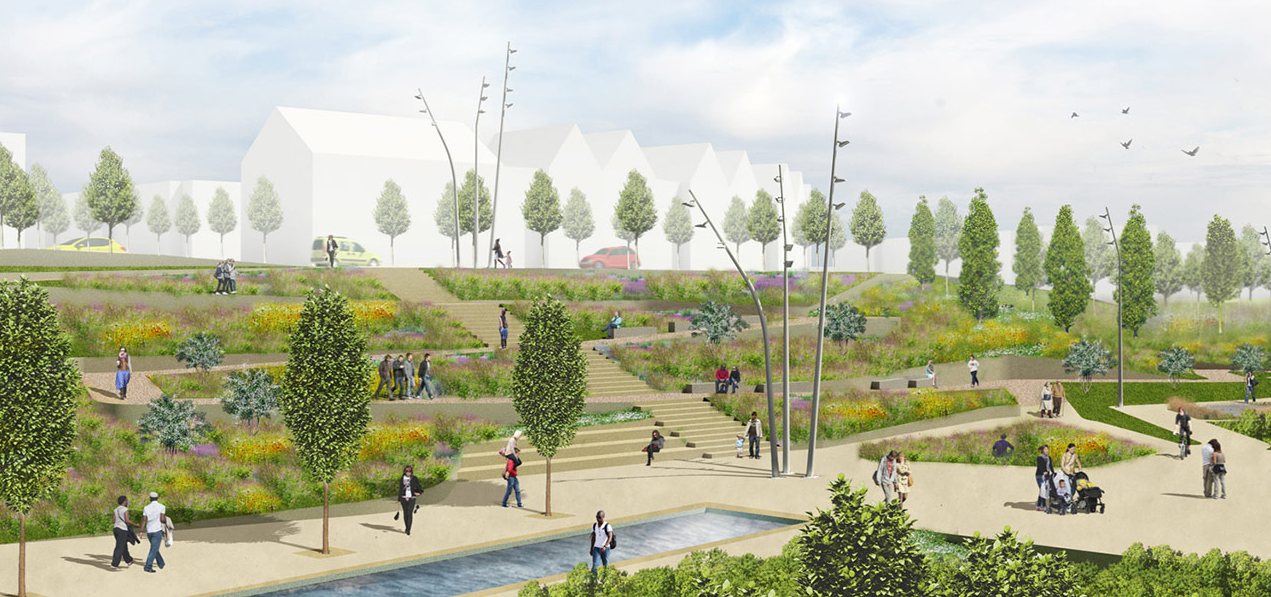
While architects bring creative expertise, understanding your aesthetic preferences is essential. Collecting reference images, precedent projects, or style inspirations helps communicate expectations clearly.
You may wish to consider:
In Queensland, design responses often consider climate, lifestyle, and durability. Architects can help interpret your preferences into a cohesive design that suits local conditions and planning requirements.
Understanding the architectural process helps set realistic expectations. Before meeting your architect, consider your desired timeframe and any external deadlines.
Typical stages include:
In Queensland, additional time may be required for council approvals, building certification, and consultant coordination (engineering, energy efficiency, fire services). Early discussions around program and milestones help establish a clear project roadmap.
Meeting an architect is the beginning of a collaborative process that shapes the quality, functionality, and success of your project. By preparing key information your vision, site details, budget, planning context, functional needs, and design preferences you enable informed discussions and realistic advice from the outset.
For projects in Queensland, early consideration of planning controls, approvals, and climate-responsive design is particularly important. A well-prepared first meeting saves time, reduces risk, and lays the groundwork for a design solution that is both inspiring and achievable.
If you are considering engaging an architect, taking the time to prepare will ensure your first consultation is productive, focused, and aligned with your long-term goals.





.jpg)
.jpg)

.jpg)
.jpg)