Victorian architecture represents one of the most influential periods in architectural history. Originating during Queen Victoria’s reign from 1837 to 1901, the era produced an extraordinary mix of styles shaped by industrial innovation, global expansion, and a rising middle class eager to express status through highly decorative homes. Today, Victorian homes remain some of the most beloved in both the United Kingdom and Australia, admired for their steep rooflines, ornate façades, cast-iron lacework, bay windows, and richly layered interiors.
As heritage conservation and character-preserving renovations grow in demand, understanding Victorian architecture has become increasingly relevant for architects, builders, designers, and homeowners. This article explores the origins, unique characteristics, regional adaptations, and lasting legacy of Victorian architecture supported by key insights gathered from The Spruce, Domain, and English Heritage.

Victorian architecture emerged during a time of significant transformation. The Industrial Revolution revolutionised the production of building materials, allowing mass-manufactured decorative elements to replace slow, handcrafted ornamentation. As a result, builders could create richly detailed homes at scale, shaping the signature Victorian aesthetic.
This period saw rapid urbanisation, economic growth, and an expanding middle class hungry for architectural expression. As English Heritage outlines, architects drew inspiration from a wide variety of historical styles gothic, medieval, classical, and continental European which led to an eclectic architectural landscape. Early Victorian homes often retained classical restraint, while later decades embraced dramatic creativity through Gothic Revival, Italianate, Queen Anne, and Romanesque influences.
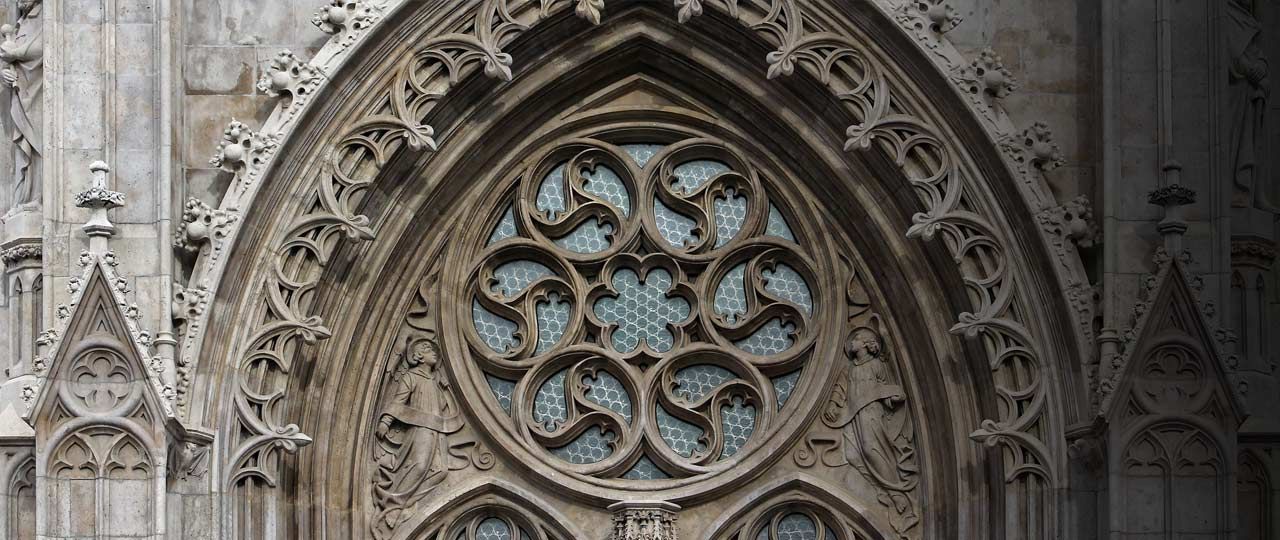
Victorian architecture stands apart from both the orderliness of Georgian designs and the simplicity of later Edwardian styles. Its identity is defined by complexity, ornamentation, and verticality.
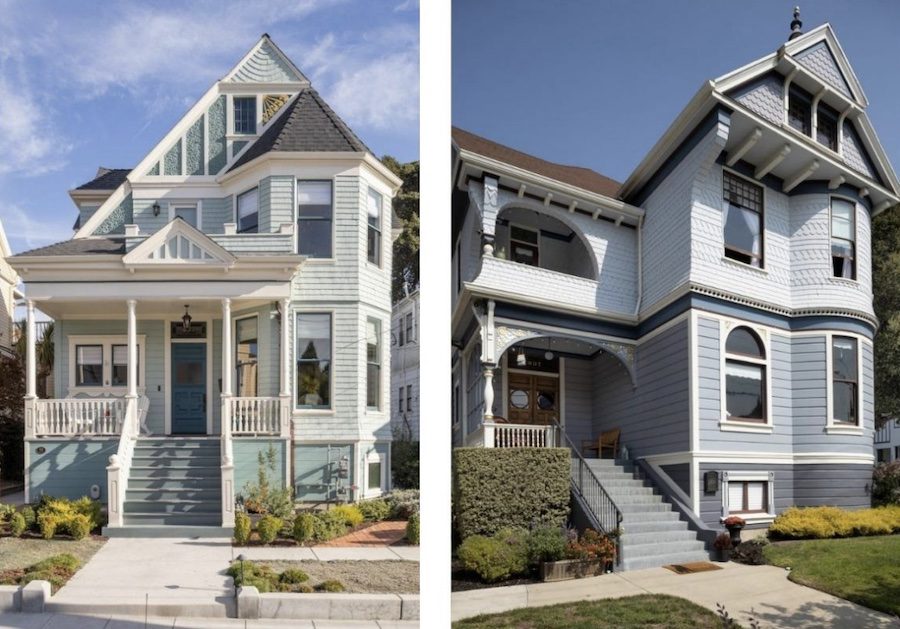
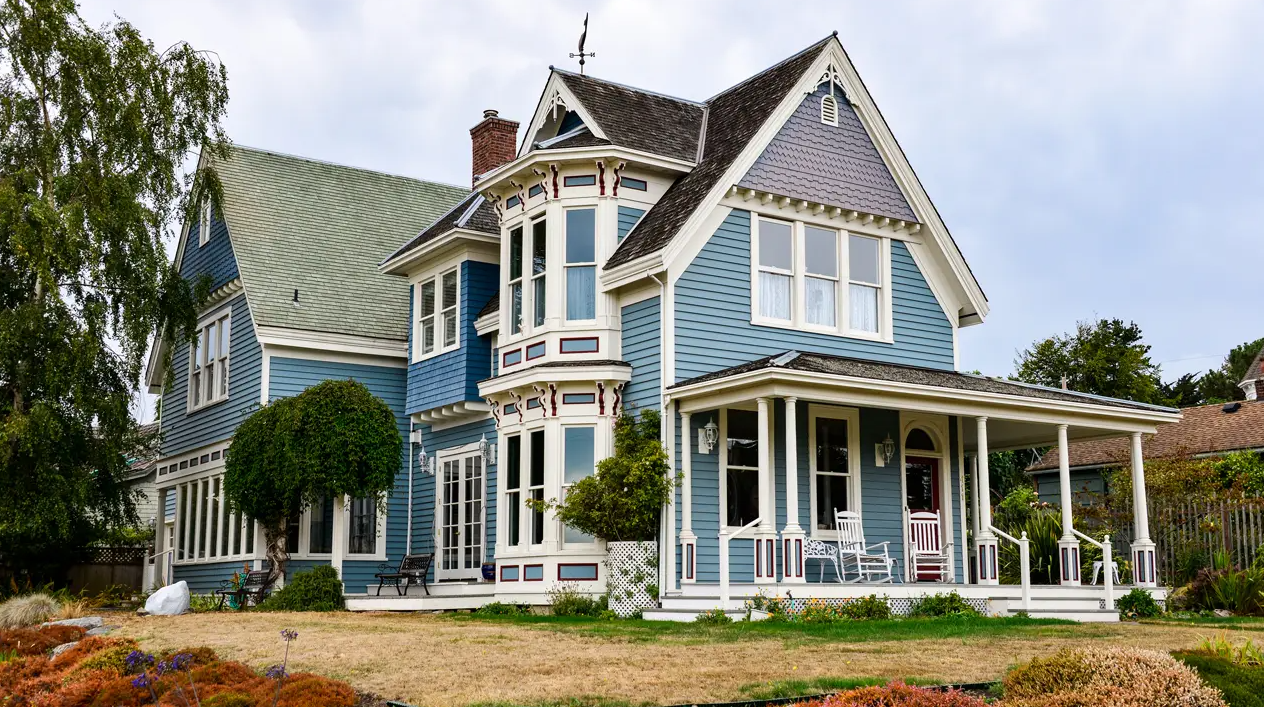
Victorian exteriors are known for gables, finials, decorative trims, patterned brickwork, cast-iron details, and colourful tilework made possible by industrialised production.
Tall chimneys, narrow windows, steep pitched roofs, and occasional towers help create the characteristic vertically emphasised silhouette.
Victorian homes break from symmetry through bay windows, verandahs, side projections, and irregular massing adding movement and texture to façades.
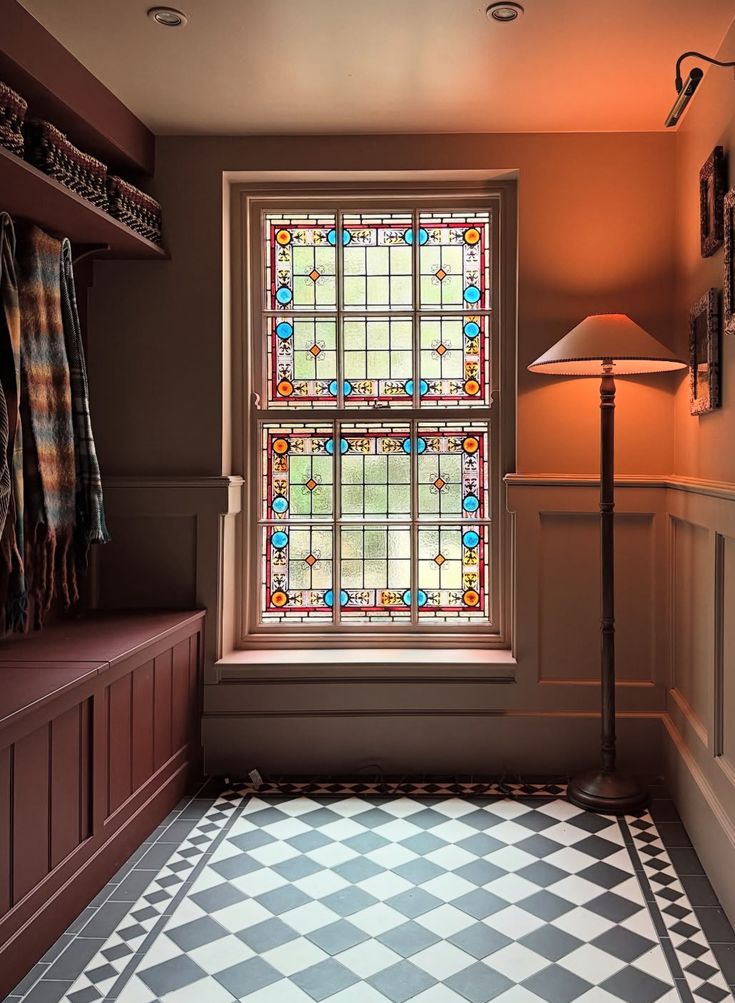
Inside, Victorian homes feature elaborate plasterwork, stained glass, carved timber joinery, fireplaces, high ceilings, archways, decorative wallpapers, and patterned flooring.

Victorian architecture encompasses multiple design sub-styles, each expressing different historical influences.
Distinguished by pointed arches, steep roofs, lancet windows, tracery, and medieval-inspired elements.
Characterised by bracketed eaves, tall rounded windows, low-pitched roofs, and classical detailing often used for grand terraces and villas.
The most decorative of all Victorian styles, featuring patterned shingles, textured surfaces, asymmetrical façades, towers, turrets, and wraparound verandahs.
Featuring mansard roofs and dormer windows, influenced by French urban architecture.
Marked by heavy stonework, rounded arches, and recessed openings, giving buildings a robust, fortress-like appearance.
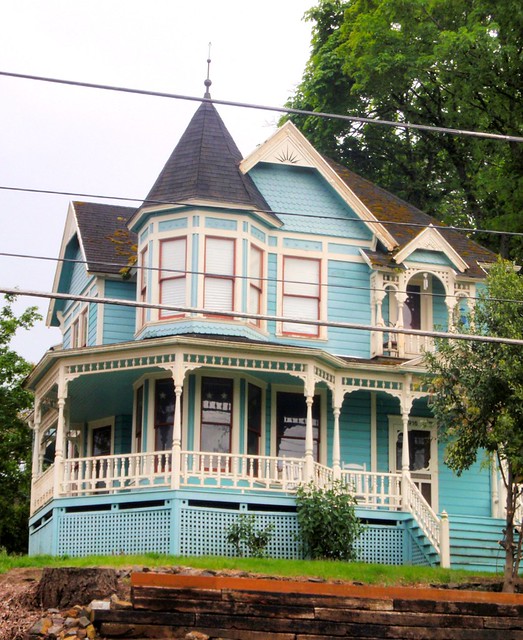
Victorian architectural influence reached Australia during the mid-19th century, fuelled by economic growth and the gold rush. Domain identifies three major phases that shaped Australian Victorian homes:
Simple cottages with pitched roofs, restrained decoration, and brick or sandstone construction.
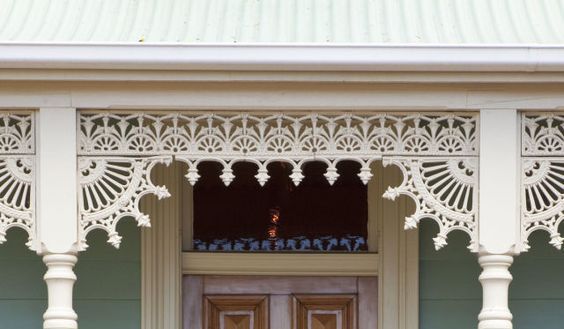
Introduction of cast-iron lacework, verandahs, coloured brick patterns, decorative mouldings, and more refined internal joinery.
Highly ornate façades with Italianate and Queen Anne elements arched windows, complex roof forms, iron balustrades, decorative parapets, and vibrant tiling.
Australian adaptations included:
These features contributed to some of Australia’s most iconic heritage streetscapes, particularly in Melbourne.
Victorian interiors were designed to convey status, comfort, and sophistication.
Ceilings were often elevated to enhance airflow and grandeur, accompanied by ceiling roses, cornices, archways, and chandeliers.
These were functional heating sources and aesthetic focal points with tiled surrounds and carved mantels.
Often used at entryways and stair halls, these added colour, symbolism, and storytelling to the home’s interior style.
Encaustic tiles, geometric mosaics, timber parquetry, and verandah tiles contributed to richly textured interiors.
Victorian layouts separate spaces for dining, entertaining, and working, unlike today’s open-plan trends.
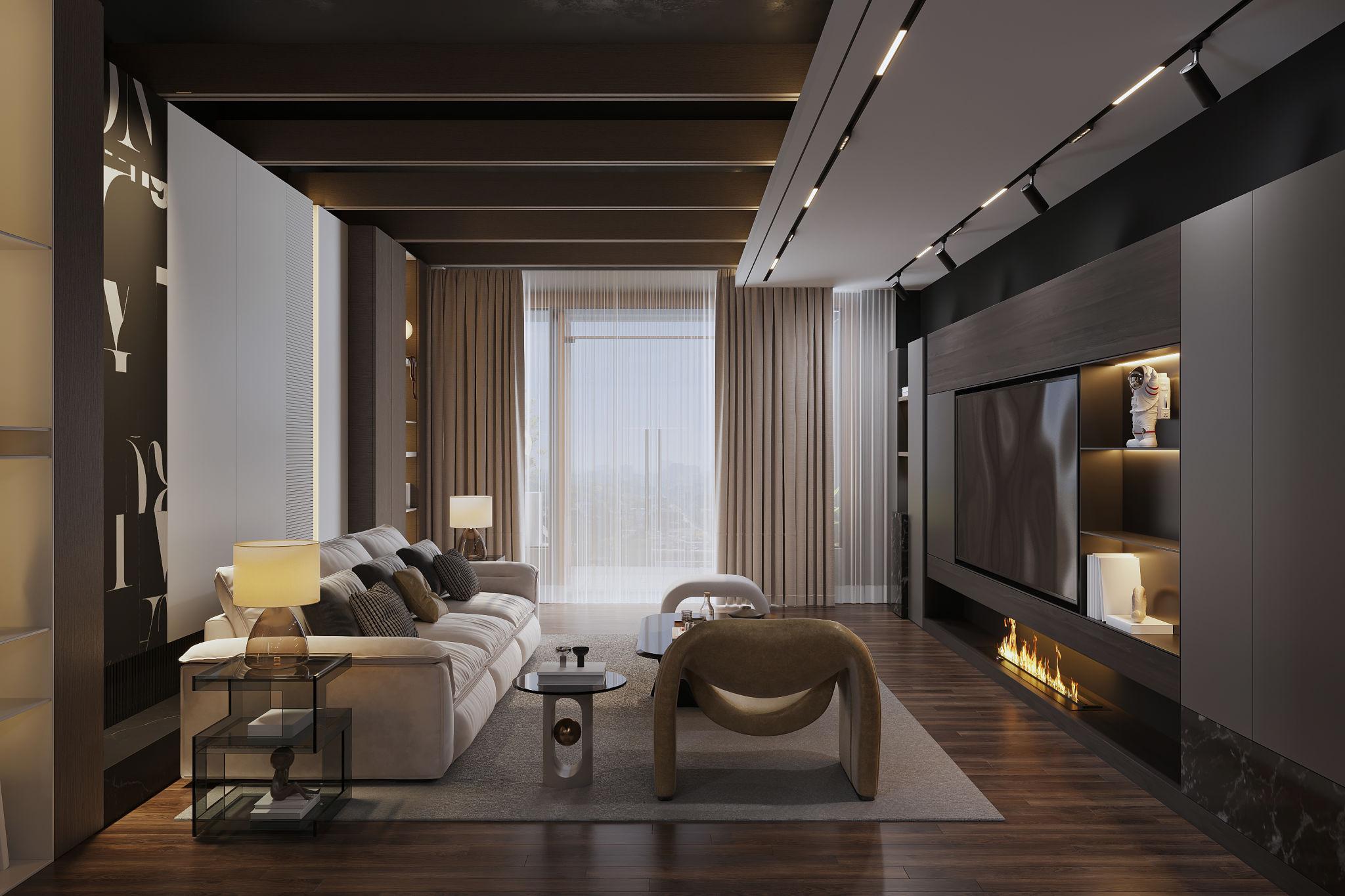
Victorian homes continue to inspire modern architects and renovators due to their strong heritage value, craftsmanship, and adaptability.
Modern renovations often aim to:
Whether in London, Sydney, or Melbourne, Victorian homes enrich neighbourhood identity and remain deeply tied to cultural heritage. Their enduring appeal lies in the balance between historical detail and modern functionality.
Victorian architecture stands as a testament to craftsmanship, innovation, and expressive design. Its diverse styles, ornate detailing, and historical significance continue to influence contemporary architecture and renovation practices. Whether you're restoring a Victorian terrace, updating a grand villa, or studying historical architectural movements, understanding Victorian design principles is essential for preserving both beauty and authenticity.
Looking to renovate or design within a Victorian home?
Our architectural team specialises in thoughtful, heritage-led design that celebrates period character while delivering modern comfort and functionality.
Let’s work together to reimagine Victorian architecture for today’s lifestyle respectfully, creatively, and sustainably.




.jpg)
.jpg)
.jpg)
.jpg)