Artificial intelligence is rapidly reshaping industries across the world, and architecture is no exception. From generative design software and automated drafting tools to AI-assisted visualisation and project analysis, emerging technologies are changing how architects design, document, and deliver buildings.
As AI tools become more advanced, an increasingly common question is being asked across the architecture and construction industries: Can AI replace architects?
The short answer is no but AI is undeniably transforming the profession. While artificial intelligence can improve efficiency, automate repetitive tasks, and generate design options at remarkable speed, architecture remains deeply human. Successful buildings require cultural understanding, contextual thinking, emotional intelligence, regulatory interpretation, and collaborative problem-solving in areas where human architects continue to play a critical role.
This article explores how AI is influencing architecture today, what tasks it may automate in the future, and why architects remain essential in delivering meaningful, compliant, and buildable environments, particularly within the context of Queensland planning and construction regulations.
AI is already being integrated into many areas of architectural practice. Design firms increasingly use machine learning and automation tools to assist with concept generation, documentation workflows, environmental analysis, and visualisation.
Recent industry discussions highlight how AI can:
These technologies are helping architects work more efficiently, particularly during early-stage design and repetitive technical processes.
However, most AI systems rely heavily on existing datasets and patterns. They can generate possibilities, but they cannot independently understand social context, client emotion, or the broader human impact of architecture.

Modern AI platforms are highly effective at handling structured and data-driven tasks. In architecture, this often includes technical assistance and automation rather than complete design authorship.
Current AI capabilities include:
AI can also process large volumes of project data much faster than humans, helping identify efficiency opportunities or design conflicts early in the process.
For architecture firms, these tools can reduce administrative workloads and improve productivity. Architects may spend less time on repetitive documentation and more time focusing on strategy, design thinking, and client collaboration.
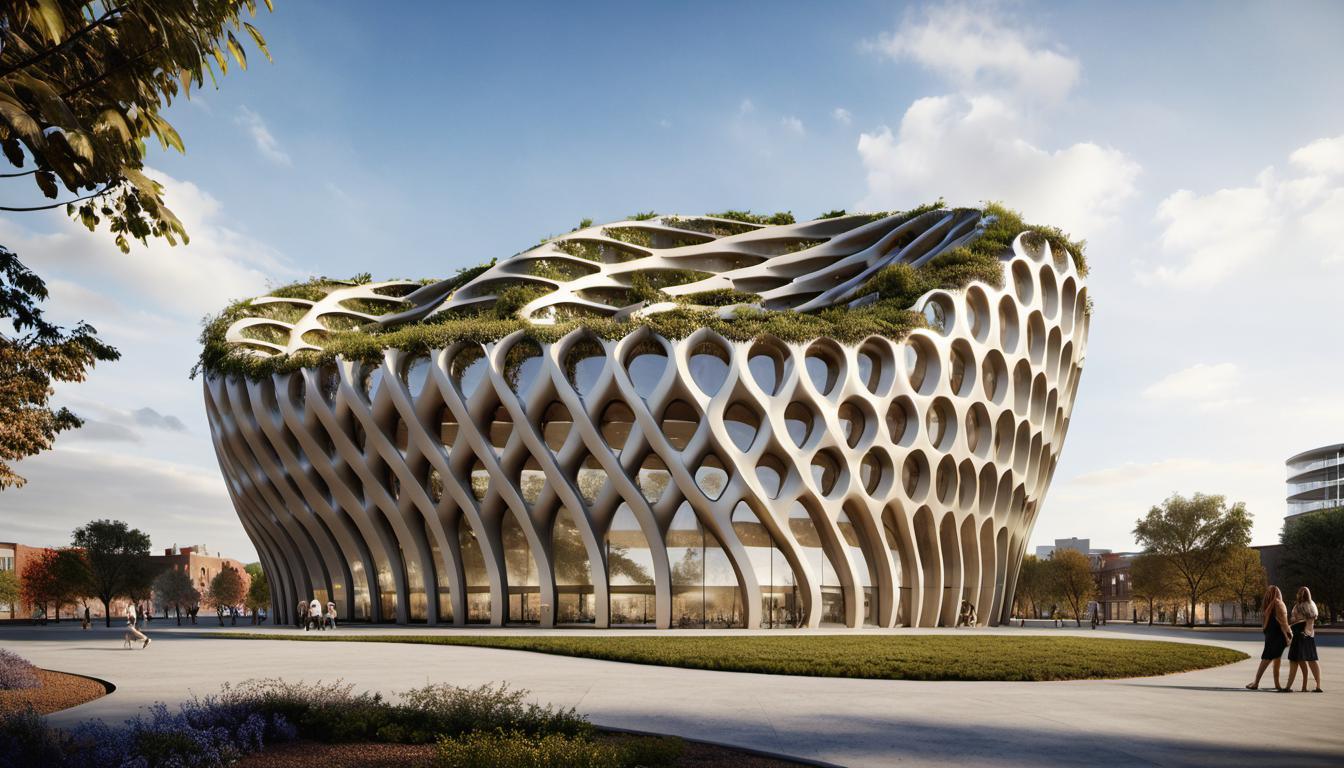
While AI can generate designs quickly, architecture is not purely a technical exercise. Buildings exist within cultural, environmental, legal, and emotional contexts that require human judgement.
Architects interpret:
A successful building is not simply efficient, it must also feel appropriate, functional, and meaningful for the people using it.
This is one of the major limitations of AI-generated architecture. AI can replicate patterns based on previous examples, but it does not truly understand lived experience, emotion, or human behaviour.
In Queensland, architectural decisions must also consider subtropical climate responses, local character overlays, and site-specific planning controls that require nuanced interpretation rather than automated outputs.

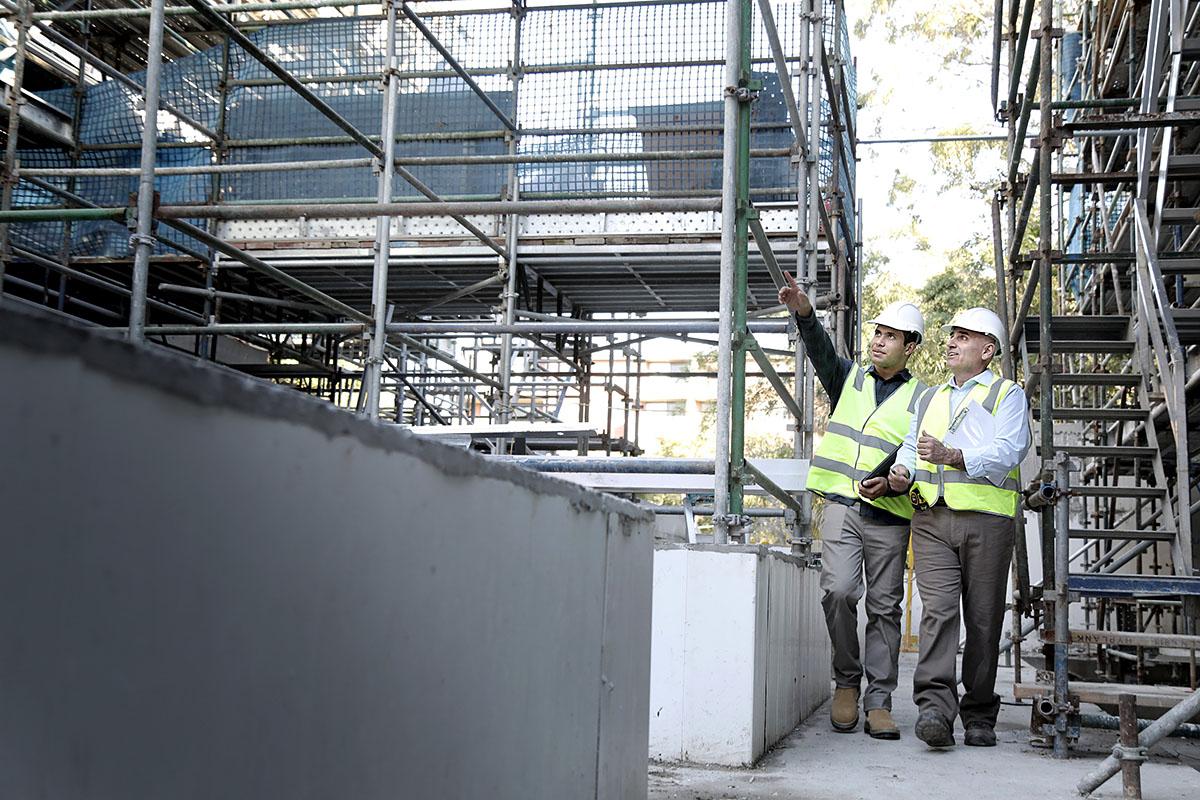
One of the strongest reasons AI cannot fully replace architects is the complexity of regulatory compliance. In Australia and also particularly Queensland, architectural projects must satisfy numerous planning, building, and safety requirements.
Architects regularly coordinate:
These processes require interpretation, negotiation, and accountability. While AI may assist with checking data or identifying conflicts, legal responsibility still sits with qualified professionals.
Architecture also involves risk management and ethical obligations that cannot simply be delegated to algorithms.
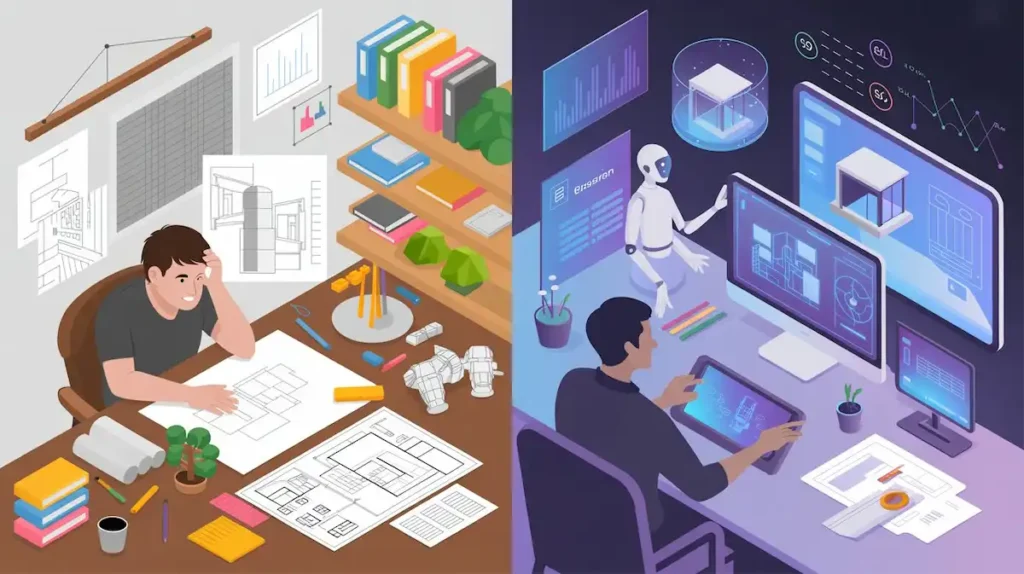
Rather than replacing architects, AI is more likely to change how architects work. The profession is evolving toward a hybrid model where technology supports creative and technical decision-making.
Architects may increasingly focus on:
AI tools can act as assistants rather than replacements, helping architects test ideas more rapidly and improve efficiency during project delivery.
Historically, architecture has adapted to many technological shifts, from hand drafting to CAD, and from CAD to BIM. AI represents another evolution rather than a complete disruption.
Architecture is fundamentally tied to creativity and ethical responsibility. Architects must balance aesthetics, budget, sustainability, safety, and community impact within a single project.
AI can generate forms and options, but it cannot independently determine:
Questions surrounding authorship, intellectual property, and bias also remain unresolved in AI-generated design systems. Since AI models are trained on existing data, they can unintentionally reproduce biases or generic design solutions.
Human architects remain essential for critical thinking, accountability, and ensuring architecture serves people rather than simply optimising data.

The future of architecture will likely involve closer collaboration between human expertise and intelligent technologies. AI will continue improving design workflows, automation, and analysis capabilities, but human oversight will remain essential.
Potential future applications include:
However, architecture will continue to depend on relationships, trust, and human-centred thinking. Clients do not simply hire architects for drawings, they hire them for guidance, leadership, creativity, and confidence throughout a complex process.
In Queensland, where projects must respond carefully to climate, regulation, and local planning controls, professional architectural expertise will remain indispensable.
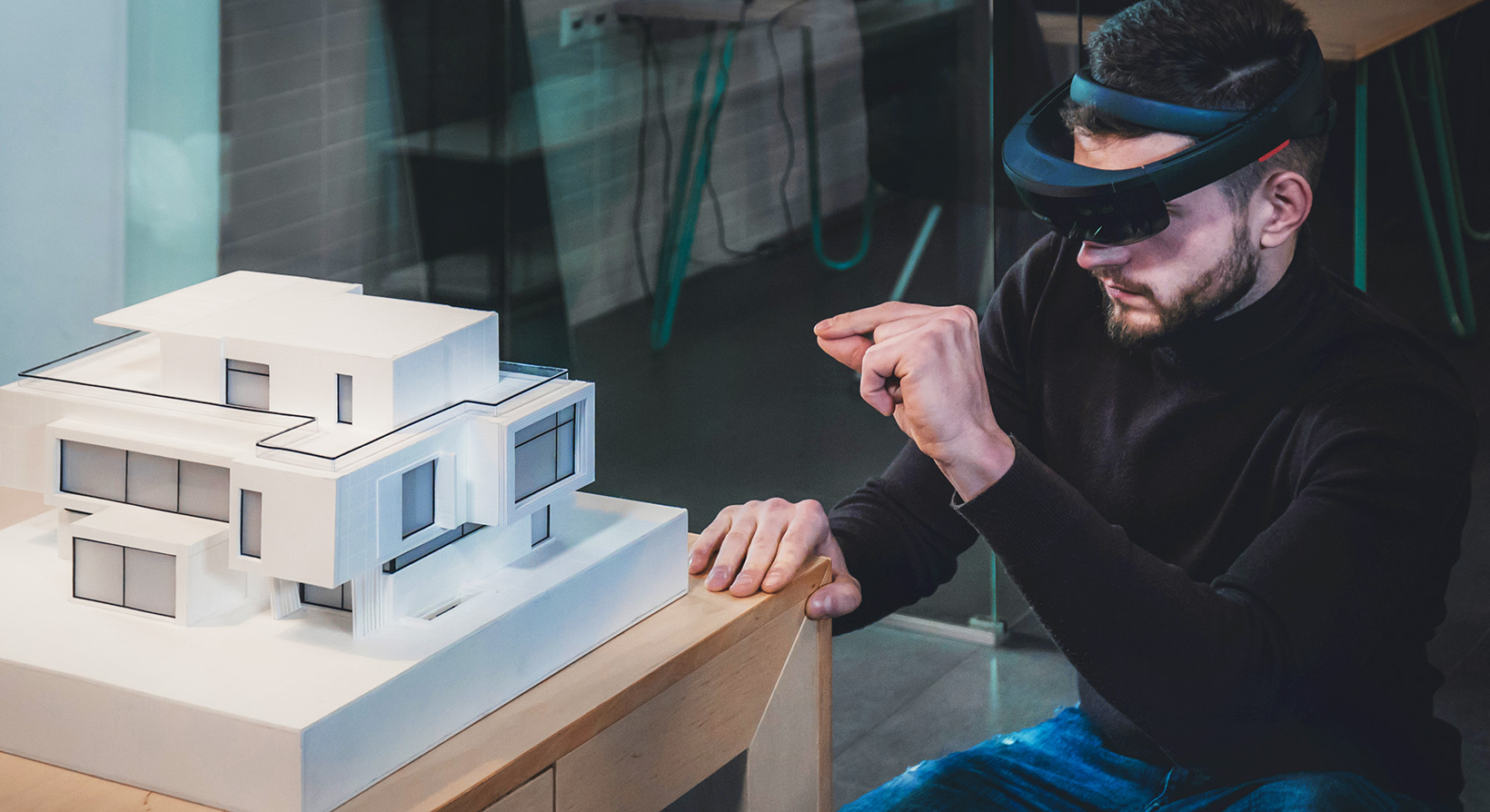
AI is already influencing architecture in significant ways, improving efficiency, automating repetitive tasks, and expanding access to design tools. However, architecture is far more than generating floor plans or rendering images.
Successful architectural outcomes require human understanding, contextual judgement, regulatory interpretation, ethical responsibility, and creative problem-solving. These are qualities that AI cannot fully replicate.
Rather than replacing architects, AI is becoming another tool within the architectural process, one that can enhance workflows while allowing architects to focus more deeply on design quality, client relationships, and strategic thinking.
For clients, this means the value of architects remains strong. As technology evolves, architects will continue playing a critical role in shaping spaces that are functional, compliant, sustainable, and meaningful for the people who use them.
m





.jpg)
.jpg)

.jpg)
.jpg)