A well-designed home should feel timeless, functional, and relevant regardless of changing trends. However, many homes begin to feel dated when certain design elements, finishes, layouts, and decorative choices become strongly associated with a specific era. While some architectural styles age gracefully, others can make a property feel older than it actually is, impacting both its visual appeal and perceived value.
For homeowners considering a renovation, extension, or complete redesign, understanding what makes a house look dated is the first step toward creating a more contemporary and enduring home. Drawing from recent interior design and home styling insights, this article explores the most common factors that age a property and how thoughtful architectural design can modernise a home while maintaining character and functionality.
One of the quickest ways a house can feel dated is through its colour palette. Certain colours become heavily associated with particular decades, making interiors feel trapped in the past.
Examples include:
Modern homes tend to embrace balanced, natural colour palettes with greater emphasis on texture, warmth, and materiality rather than relying on trend-driven colours.
For Queensland homes, lighter tones often perform better due to the abundance of natural light and the desire to create cooler, more open spaces suited to the subtropical climate.

Many homes become dated because they embrace short-term decorating trends rather than timeless design principles.
The reference articles highlight common examples such as:
While trends can be enjoyable, overcommitting to them often shortens the lifespan of a home's aesthetic appeal.
Architects generally focus on creating strong foundational design through proportion, material selection, natural light, and spatial planning. Decorative items can then evolve over time without requiring major renovations.
A home designed around timeless architectural principles is less likely to feel outdated as trends change.
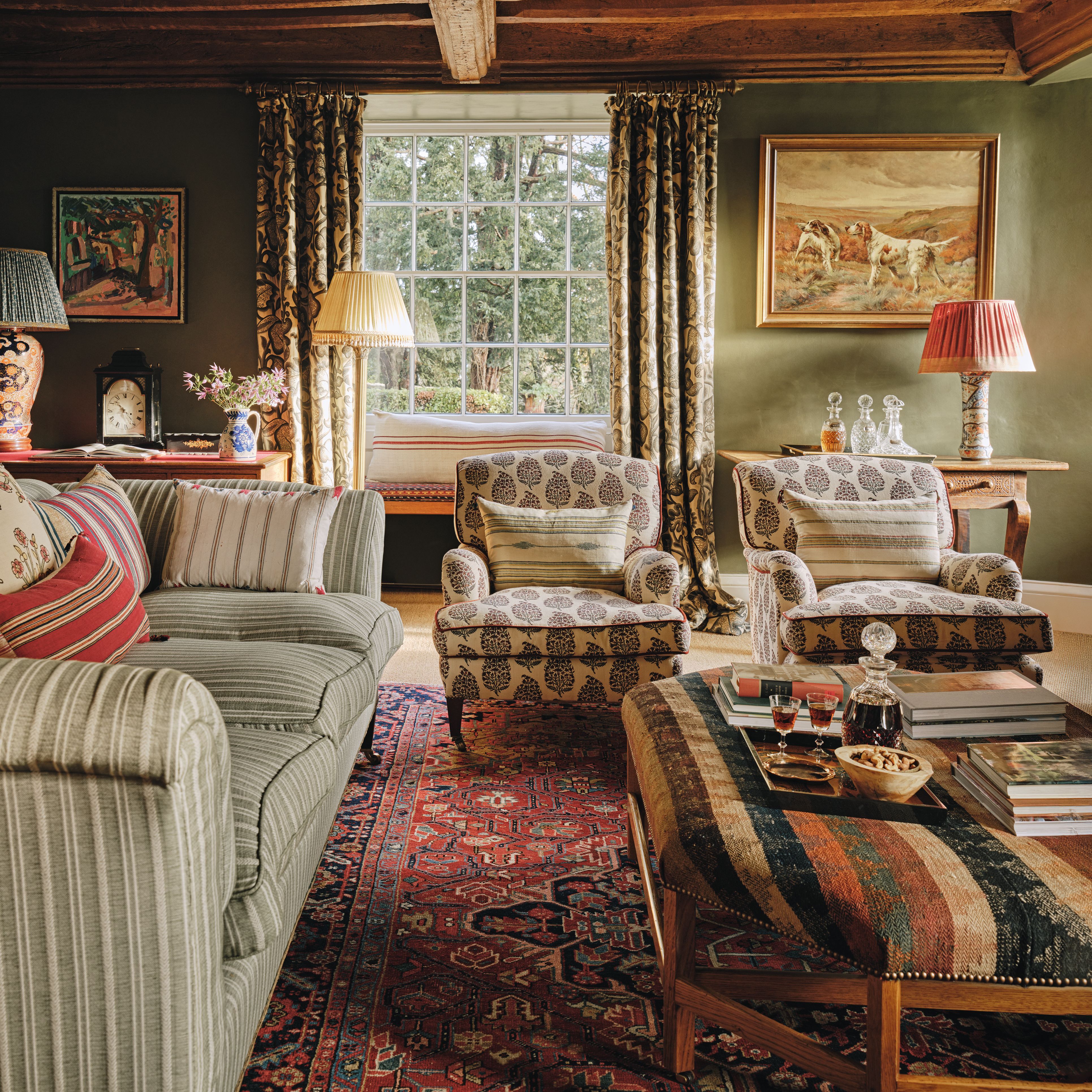
Lighting has a significant impact on how modern or dated a home feels. Older homes often rely on a single ceiling light in each room, creating flat and uninspiring spaces.
Common lighting issues include:
Modern architectural design incorporates multiple lighting layers including ambient, task, and accent lighting. Natural light is also prioritised through larger openings, skylights, and better orientation.
In Queensland, designing for natural light while controlling heat gain is particularly important. Architects often use shading devices, deep eaves, and strategic glazing to achieve this balance.

Many older homes were designed around separate rooms with strict divisions between living, dining, and kitchen areas. While these layouts suited previous lifestyles, they often feel disconnected compared to contemporary living preferences.
Modern homeowners generally seek:
This does not mean every wall should be removed. Successful renovations carefully balance openness with privacy and acoustic comfort.
For Queensland homes, open layouts also support cross-ventilation, reducing reliance on mechanical cooling and improving overall comfort.
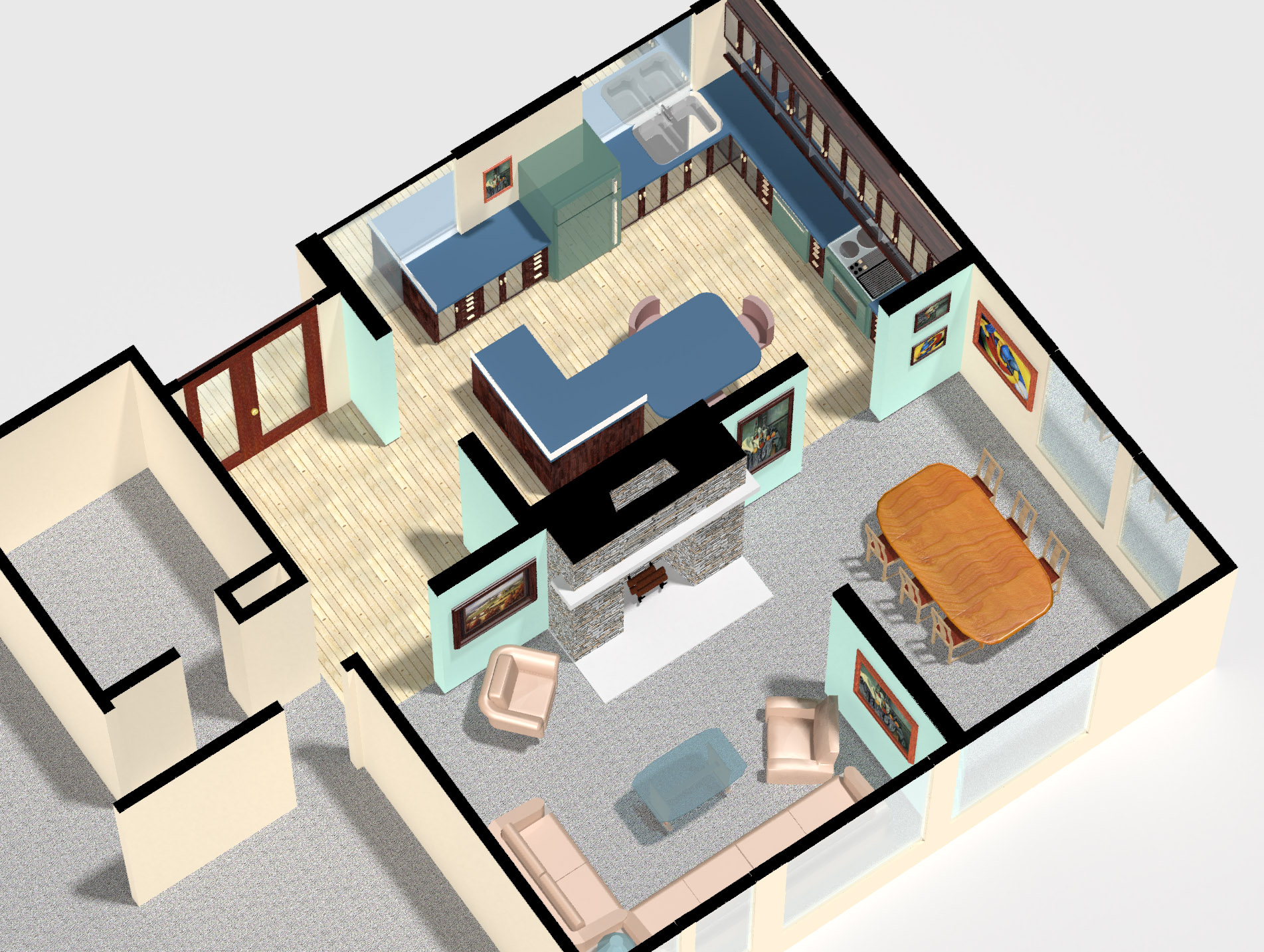
Kitchens and bathrooms often reveal the age of a home more than any other space.
Features that commonly date these rooms include:
Modern kitchens and bathrooms generally prioritise simplicity, functionality, durability, and clean detailing.
However, contemporary design is not about following trends blindly. Architects often focus on timeless materials such as stone, timber, porcelain, and high-quality fixtures that maintain their appeal for many years.
When renovating in Queensland, waterproofing, ventilation, and compliance with the National Construction Code (NCC) remain critical considerations.
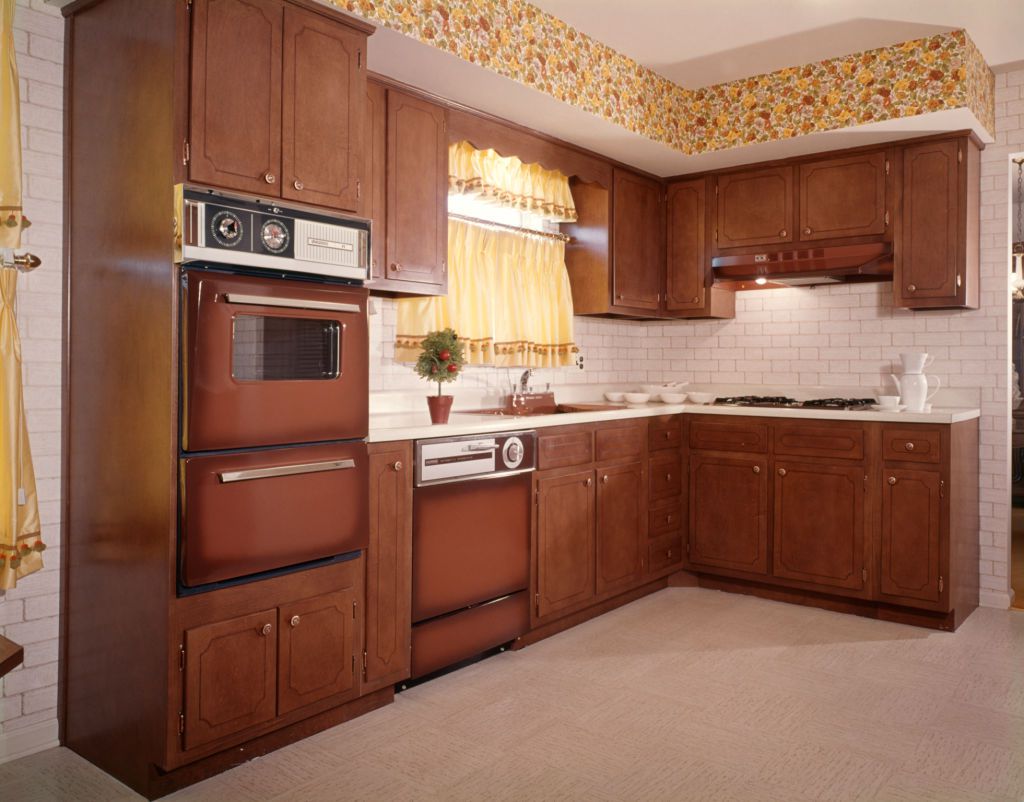
A common issue in dated homes is the accumulation of finishes from multiple renovation periods. Different flooring types, conflicting colours, and inconsistent materials can make a home feel disjointed.
Examples include:
Architectural design aims to create visual continuity. A cohesive material palette helps establish flow between spaces and gives a home a more considered and contemporary appearance.
This approach often delivers better long-term outcomes than repeatedly updating individual rooms in isolation.

While interiors often receive the most attention, a home's exterior creates the first impression.
Factors that can make a house appear dated include:
Modern architectural upgrades often focus on simplifying forms, improving material quality, and strengthening the relationship between the home and its site.
For Queensland properties, renovations may also involve compliance with local planning schemes, setback requirements, character overlays, and energy-efficiency standards.
A well-designed exterior should complement both the architecture and the surrounding environment.

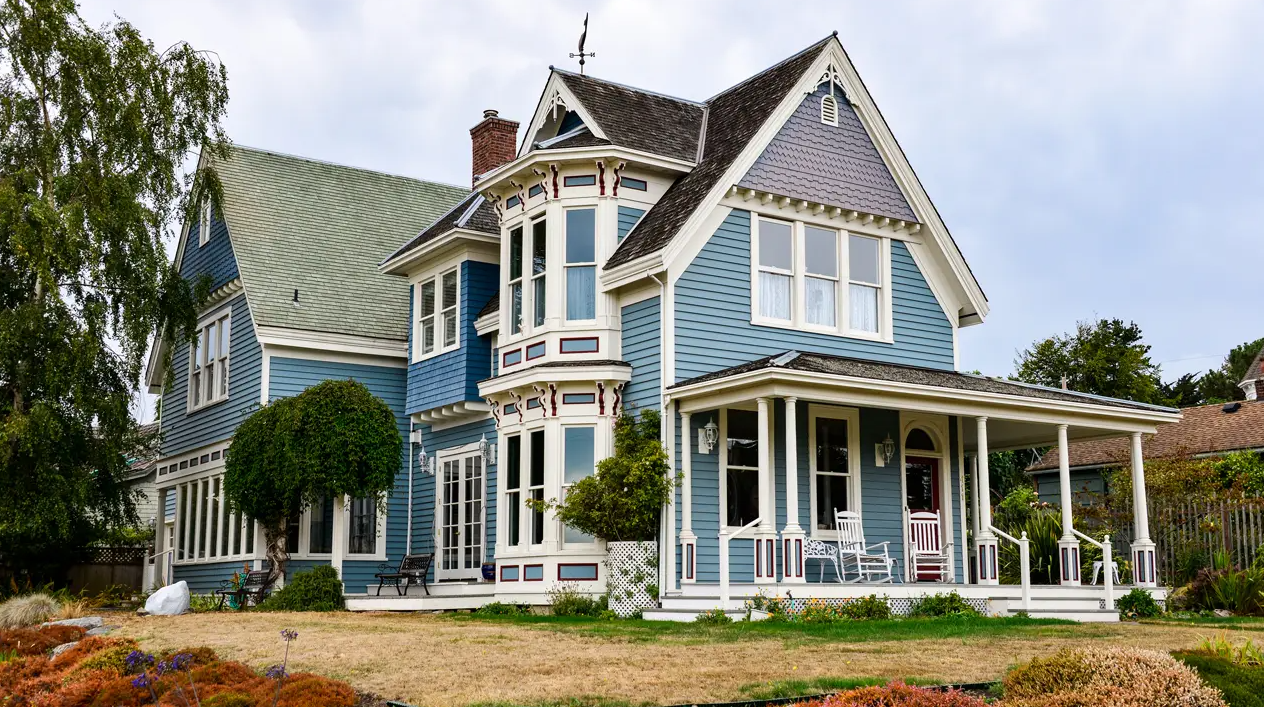
It is important to recognise that not all older design elements are negative. There is a significant difference between a home being vintage and being dated.
Features that often retain value include:
The goal of good architectural design is not to erase history but to carefully integrate contemporary functionality while preserving meaningful character.
Many of Queensland's most successful renovations combine heritage elements with modern additions, creating homes that feel both timeless and relevant.

A house often looks dated when its design choices become tied to a specific era without adapting to changing lifestyles, technologies, and expectations. Outdated colour schemes, poor lighting, compartmentalised layouts, inconsistent materials, and trend-driven décor can all contribute to this perception.
However, creating a timeless home is not about chasing the latest trends. It is about investing in thoughtful architectural design, quality materials, functional layouts, and enduring aesthetics that remain relevant for years to come.
For homeowners considering a renovation or extension, working with an architect can help identify opportunities to modernise a property while respecting its existing character and ensuring compliance with Queensland planning and building requirements.
By focusing on timeless principles rather than short-term trends, it is possible to create a home that feels contemporary today and continues to do so well into the future.




.jpg)
.jpg)
.jpg)
.jpg)